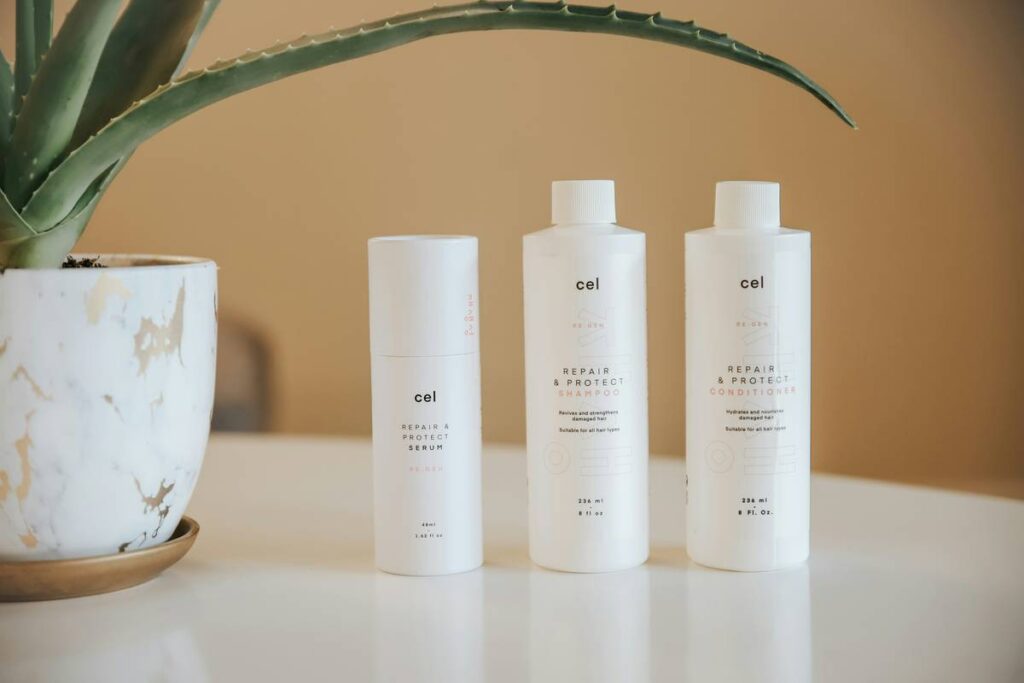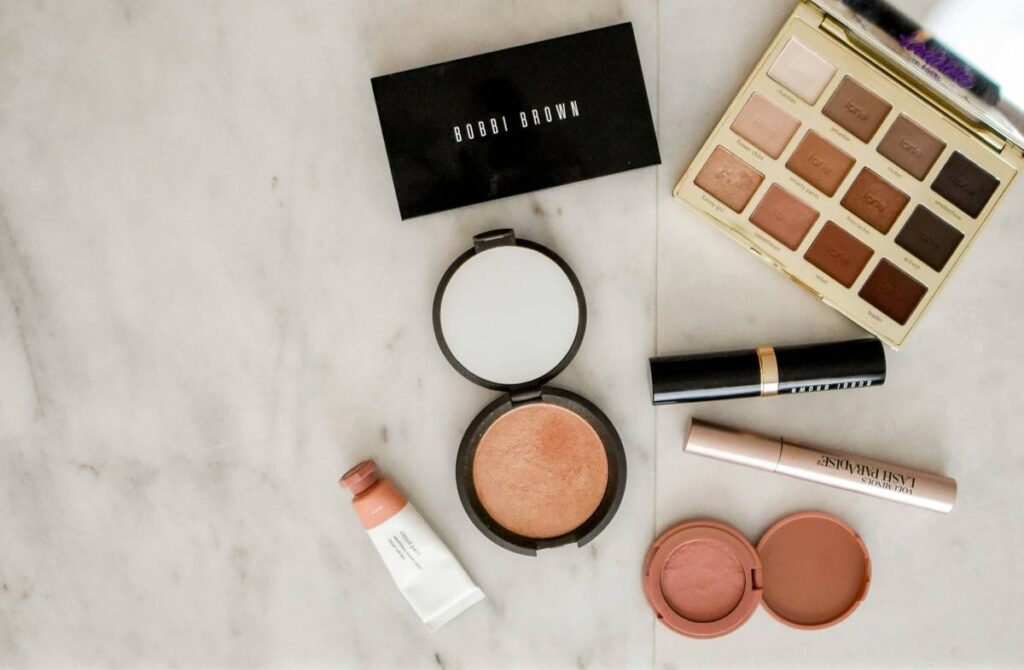
You switched to “clean” makeup to protect your skin and the planet. But what if your eco beauty choices are doing more harm than good? The truth stings: many so-called sustainable products hide sketchy practices, misleading labels, and performance gaps that wreck your look—and your values. The fix isn’t just swapping brands. It’s knowing where even well-intentioned routines go off-track.
Why Your Natural Makeup Routine Might Be Anything But Green
“Eco-friendly” doesn’t mean regulated. And that’s the problem. Brands slap on leaf logos and recyclable claims while sourcing mica mined by children or packing serums in non-recyclable mixed plastics. You feel virtuous—but your routine leaks greenwashing at every step. Worse, some natural formulas oxidize faster, flake under humidity, or lack broad-spectrum SPF, forcing you to layer more products. More layers = more waste. More waste = more eco beauty pitfalls.
Your Step-by-Step Fix for Truly Sustainable Natural Makeup
Prioritize Performance Over Packaging Hype
A compostable tube means nothing if the foundation separates by noon. Seek multi-tasking tints with stable, plant-derived emulsifiers—like jojoba esters instead of synthetic silicones—that last all day without touch-ups.
Decipher Certifications Like a Pro
Look beyond “natural.” Trust only third-party seals: Leaping Bunny (cruelty-free), COSMOS Organic, or Ecocert. If it’s missing? Assume it’s marketing theater.
Track Ingredient Origins—Not Just Names
Organic argan oil sounds great—unless it’s shipped across three continents in plastic-lined drums. Local + seasonal > exotic + air-freighted. Always.

| Approach | Upfront Cost | Long-Term Waste | Eco Impact Score* |
|---|---|---|---|
| Disposable “green” sponges | $8–$12 | High (monthly replacement) | 3/10 |
| Reusable silicone applicators | $18–$25 | Negligible (lasts 2+ years) | 9/10 |
| Bamboo compacts with refill pods | $22–$35 | Low (pod-only refills) | 8/10 |
| Glass jars with metal lids | $15–$28 | Moderate (heavy shipping emissions) | 6/10 |
*Based on material lifecycle, transport footprint, and end-of-life disposal. Lower scores indicate higher environmental strain.
The Industry Secret: “Natural” Doesn’t Mean Non-Toxic
Here’s what brands won’t tell you: some plant-based preservatives—like certain essential oils—are sensitizers linked to contact dermatitis. And mineral sunscreens using non-coated zinc oxide can generate free radicals when exposed to UV light. I’ve seen clients develop rashes from “pure” rosehip balms spiked with undeclared fragrance allergens. The math is simple: fewer ingredients ≠ safer. Demand transparency—not just buzzwords. Ask for full INCI lists and challenge vague terms like “botanical blend.” Real sustainability includes skin health.

Frequently Asked Questions
Are biodegradable makeup wipes truly eco-friendly?
No. Most require industrial composters to break down—facilities unavailable to 95% of households. They often end up in landfills, leaching microplastics. Use washable cotton rounds instead.
Can refillable makeup systems reduce waste significantly?
Yes—if brand commitment matches design. A sturdy compact reused 10+ times slashes packaging waste by ~70%. But skip brands that lock you into proprietary, non-recyclable pods.
Is waterless makeup better for the planet?
Generally, yes. Waterless formulas need less preservative, ship lighter (lower emissions), and concentrate performance. Just verify solvents aren’t derived from unsustainable palm oil.