Most “natural” makeup brands aren’t natural at all. They’re slickly packaged cocktails of synthetics with a token sprinkle of aloe or chamomile. You buy them thinking you’re protecting your skin—and the planet—only to slather on hidden toxins and contribute to landfill waste. The real solution? Skip the shelf. Learn how to make your own. And yes—it’s easier than blending foundation at Sephora.
Why Store-Bought “Natural” Makeup Fails You (and the Planet)
Greenwashing runs rampant. A product labeled “eco-friendly” might use recyclable packaging—but contain microplastics, parabens, or mica mined under unethical conditions. Worse, many natural-looking formulas rely on preservatives that degrade slowly in ecosystems. Your conscience feels clean. The ocean doesn’t.
And texture? Mass-market natural makeup often sacrifices performance for purity—chalky coverage, poor adhesion, zero staying power. You end up layering more product, which defeats the whole “less is more” ethos of natural beauty.
Eco Friendly Natural How to Make Core Products That Actually Work
Forget complicated alchemy. Real eco-friendly makeup hinges on three principles: minimal ingredients, reusable tools, and biodegradable outcomes. Start with these two foundational recipes—they outperform most boutique brands—and scale from there.
DIY Tinted Moisturizer with SPF Boost
Mix 2 tbsp unrefined shea butter (moisturizing + occlusive), 1 tsp non-nano zinc oxide (physical SPF ~15), and ½ tsp beetroot powder (for light tint). Whip until airy. Store in a tiny glass jar. Lasts 3 weeks refrigerated. No fillers. No synthetic dyes. Just skin-loving protection.
All-Purpose Cream Blush & Lip Tint
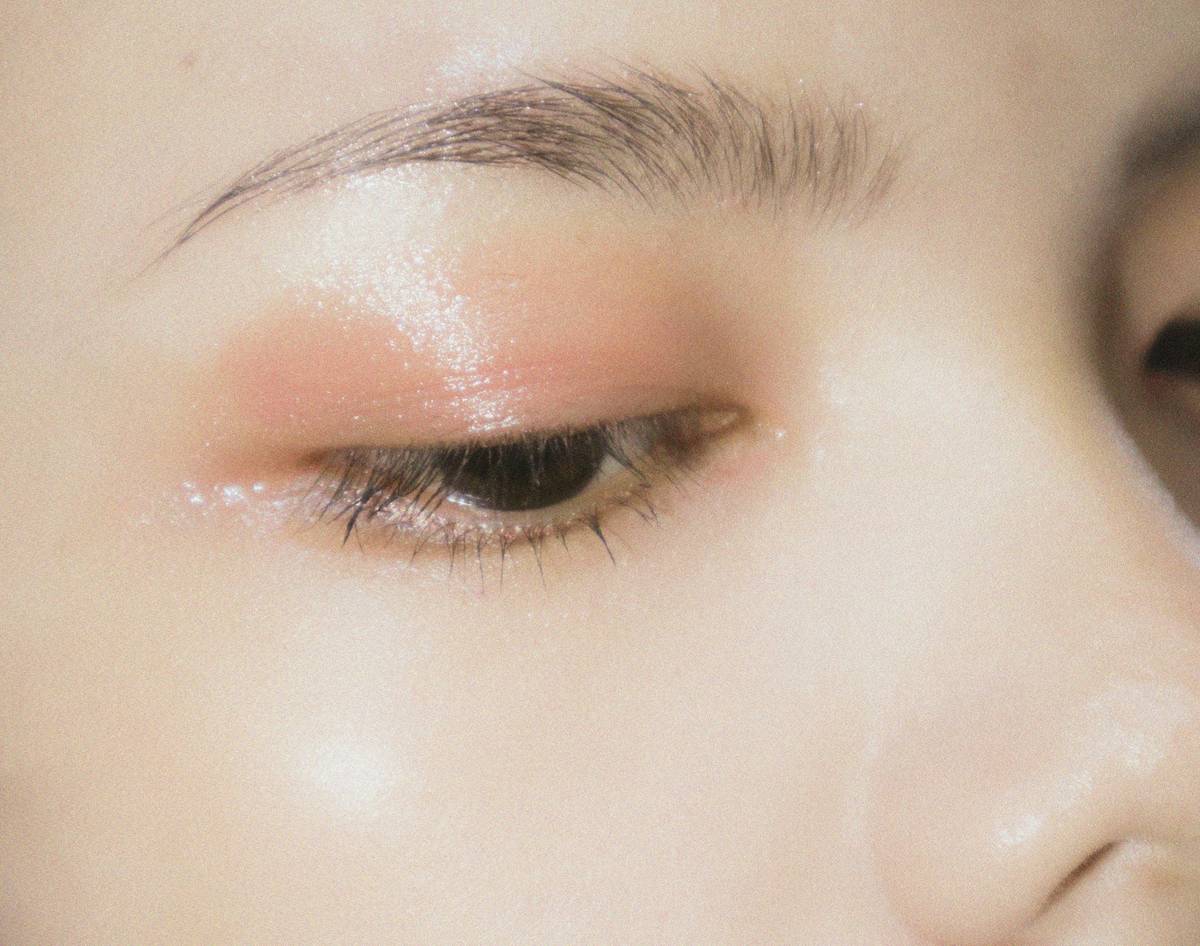
Combine 1 tbsp organic coconut oil, 1 tsp cocoa butter, and ¼ tsp alkanet root powder (natural red dye). Melt gently, pour into a reused balm tin, cool. One swipe gives cheeks and lips a dewy flush—no glitter, no petroleum jelly, no guilt.
| Product | Cost per Batch | Shelf Life | Packaging Reusability |
|---|---|---|---|
| Tinted Moisturizer | $2.80 | 3 weeks | Reusable glass jar |
| Cream Blush/Lip Tint | $1.50 | 6 months | Metal or glass tin |
| Average Store Brand (comparable) | $24–$38 | 12+ months (due to synthetics) | Plastic compacts (often non-recyclable) |
The Industry Secret: Water Is the Enemy (and the Lie)
Here’s what big “clean beauty” won’t tell you: water-based products require heavy preservatives—even the “natural” ones like potassium sorbate or radish root ferment, which can irritate sensitive skin over time. True eco-friendly natural makeup skips water entirely. Anhydrous formulas (oil- or wax-based) need zero preservatives, last longer without refrigeration, and use 90% less packaging by volume. Think balms, sticks, powders—not lotions masquerading as foundation. The math is simple: less water = fewer chemicals = less waste. Yet 80% of “natural” liquid foundations still list water as ingredient #1. Go figure.

Frequently Asked Questions
Can I really get good coverage with homemade makeup?
Absolutely—if you adjust expectations. Homemade makeup excels at sheer-to-medium, skin-like coverage. It’s not for full glam. But for daily wear? It blends seamlessly, nourishes skin, and avoids caking.
How do I prevent my DIY makeup from spoiling?
Avoid introducing water or fingers. Use clean spatulas. Store in dark glass or metal. Most oil-based recipes last 3–6 months. Refrigeration extends life but isn’t always necessary.
Is homemade makeup truly better for the environment?
Yes—if you reuse containers and source ingredients sustainably. One batch replaces multiple plastic-packaged products. Plus, everything biodegrades cleanly. No microplastics. No chemical runoff.