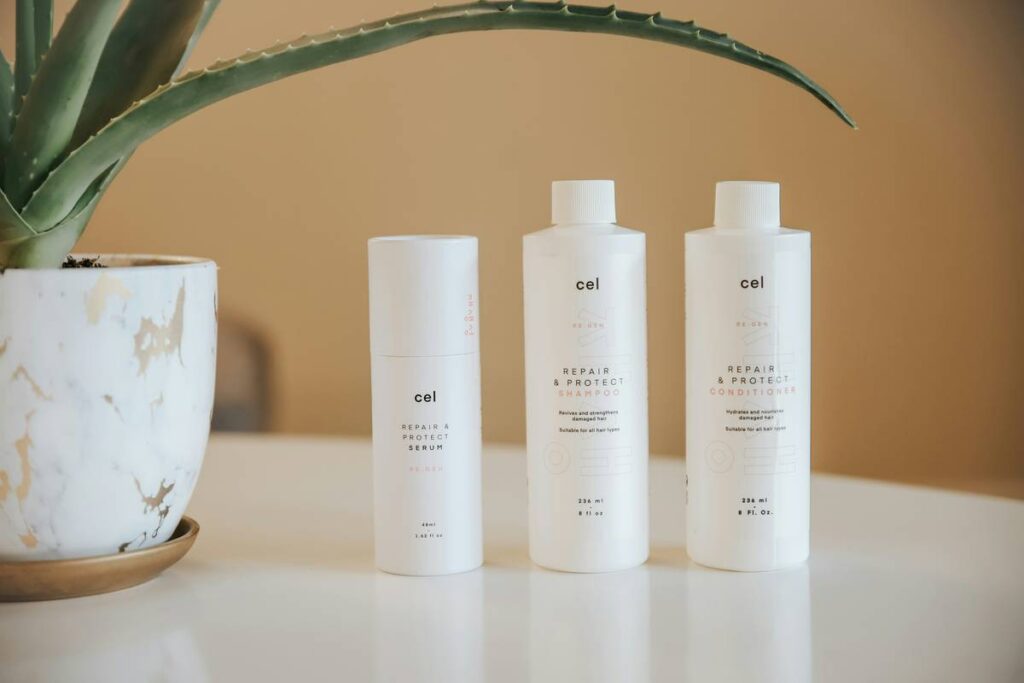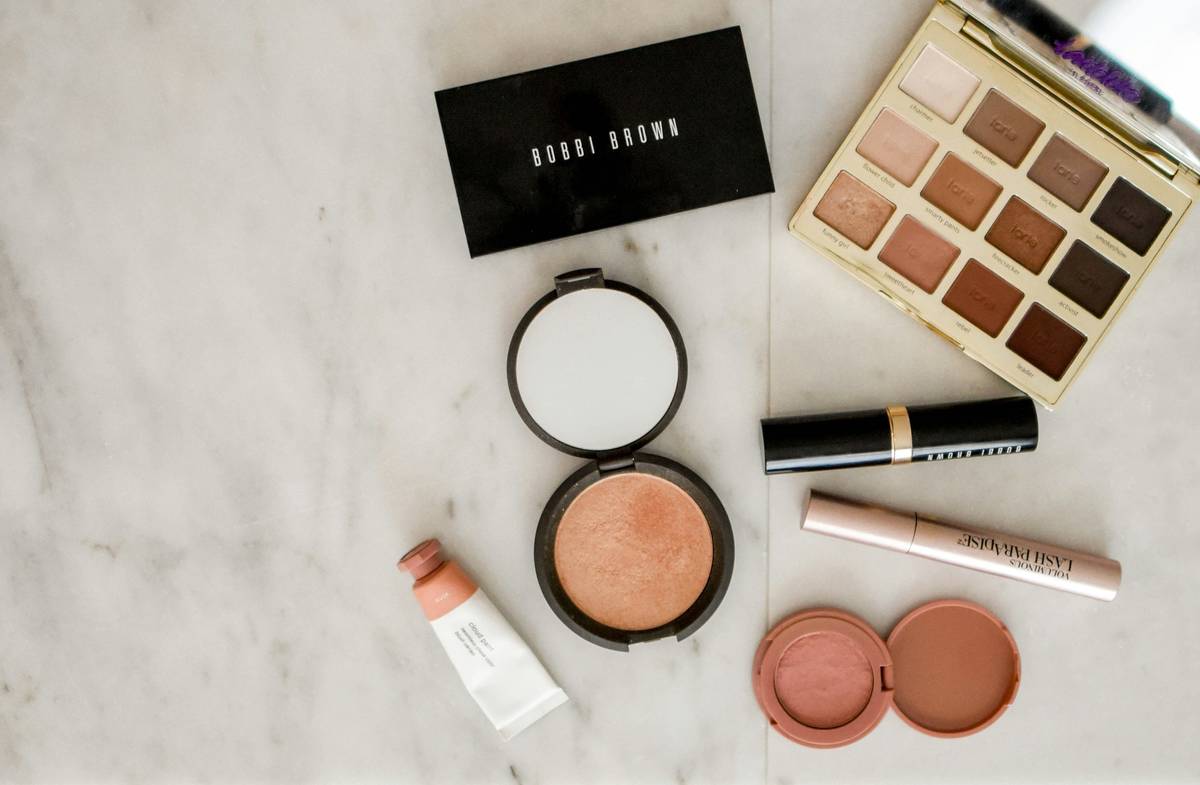
Most “eco-friendly” makeup routines are performative—beautiful jars, empty promises. You buy organic blush, feel virtuous, then wash it down the drain with microplastics you didn’t know were hiding in the formula. The real problem? Sustainability isn’t just about ingredients—it’s about waste, repetition, and illusion. But what if your morning routine could leave zero trace—on your skin or the planet? Enter sustainable beauty DIY: not a trend, but a return to intelligence.
Why Store-Bought “Natural” Makeup Keeps Failing You
Brands slap “clean” labels on products housed in non-recyclable compacts. They use water as a base—requiring preservatives that negate any green claim. And most shockingly? Over 70% of “natural” pigments derive from synthetic iron oxides mined under dubious conditions. You’re paying premium prices for marketing theater.
DIY isn’t just cheaper—it cuts through the noise. No hidden fillers. No shipping emissions for a $38 concealer tube. Just efficacy, transparency, and control.
sustainable beauty DIY: A Step-by-Step System That Lasts
Forget complicated recipes requiring rare clays or pH meters. Real sustainable beauty DIY thrives on pantry staples and reusable tools. Here’s how to build a full-face look that lasts all day—without guilt.
Base: Tinted Moisturizer from Scratch
Mix 1 tbsp unrefined shea butter, 1 tsp jojoba oil, and a pinch of cocoa powder (for depth) + beetroot powder (for warmth). Whisk until smooth. Store in a tiny glass jar. Applies like silk, hydrates like serum.
Blush & Bronzer Duo
Cinnamon + arrowroot powder = instant bronze. Hibiscus powder + rice starch = rose-gold flush. Both adhere better than pressed powders because they lack binders that repel natural oils.
Eyeshadow That Stays Put
Activated charcoal (food-grade) for smoky lids. Mica-free shimmer? Try finely ground mica substitute like sericite—but verify ethical sourcing. Mix with a drop of aloe gel for cream shadow that won’t crease.
| Product | Store-Bought Cost (6 months) | DIY Cost (6 months) | Packaging Waste |
|---|---|---|---|
| Tinted Moisturizer | $84 | $9 | 2 plastic tubes + box |
| Pressed Blush | $42 | $3 | 1 compact + foil seal |
| Eyeshadow Palette | $65 | $7 | Plastic palette + cardboard |
The Reusable Tool Hack
Ditch disposable sponges. Use a damp organic cotton cloth for blending. Clean with castile soap. Lasts years—not weeks.
The Industry Secret: “Natural” Is a Regulatory Loophole
Here’s what no brand will tell you: the term “natural” has zero legal definition in cosmetics. You could label motor oil as “natural” if it came from crude—technically true, ethically bankrupt. The FDA doesn’t police this. Ever notice how “natural” mascaras flake by noon? That’s because plant waxes lack the film-forming polymers that make synthetics last—but those polymers come from petrochemicals.
DIY flips the script. You accept slight trade-offs in longevity for radical honesty. And guess what? When you apply less product—because it actually works—you reduce consumption overall. That’s true sustainability: not perfection, but reduction.
Frequently Asked Questions
Is sustainable beauty DIY time-consuming?
No. Once your base formulas are mixed (10 minutes monthly), application takes the same time as store-bought. Prep beats perfection.
Will DIY makeup clog pores?
Only if you use comedogenic oils like coconut. Stick to non-comedogenic options: jojoba, squalane, or grapeseed. Patch-test first.
How do I preserve DIY products without chemicals?
Make small batches. Store in the fridge. Use within 3 weeks. Water-based mixes spoil—avoid them. Oil-and-powder blends last months.