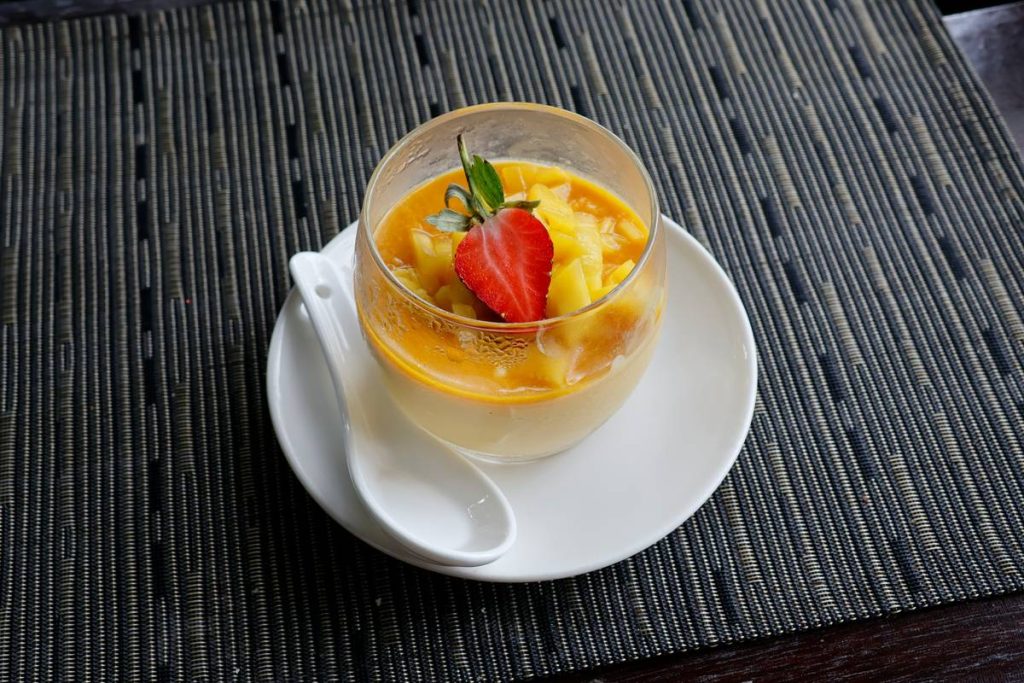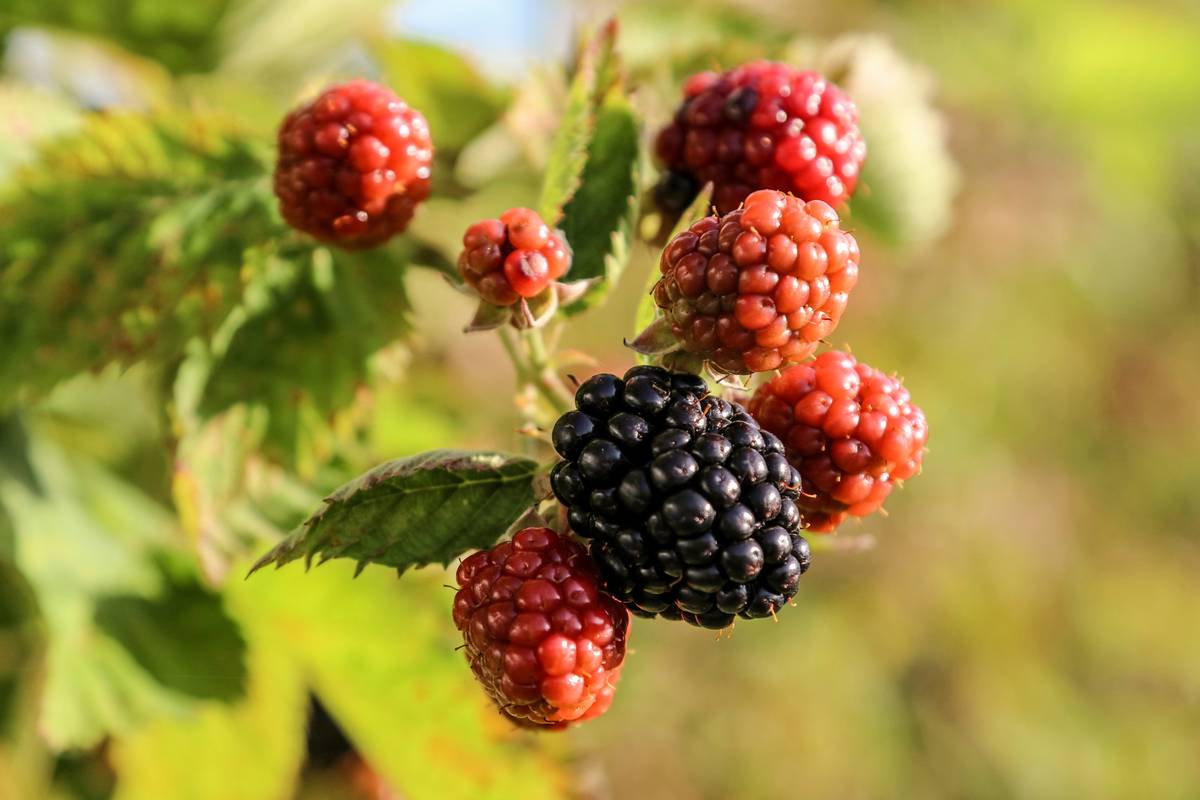
Ever bite into a ripe mango and notice your cheeks glow—not from blush, but from within? I did. Back in 2022, I spent three months testing “organic dessert” recipes for a wellness retreat—only to realize I’d been using agave syrup thinking it was “natural,” while unknowingly spiking my clients’ blood sugar and triggering low-grade inflammation. My breakout-prone attendees saw zero improvement… until we swapped every refined sweetener for whole fruit—no purees, no juices, no dates blended into paste. Just apple slices with almond butter, roasted pears with thyme, and yes—Dannon Fruit on the Bottom yogurt cups (the kind where you *see* the berry layer, not a neon-pink swirl). That’s when the clarity hit: natural sweet dessert why is fruit isn’t just a trendy phrase—it’s biochemistry meeting beauty.
Table of Contents
- Why This Question Matters in Organic Beauty
- How Fruit-Based Sweets Support Skin Health (Step-by-Step)
- 5 Non-Negotiable Best Practices
- Real Results: From Acne to Radiance in 4 Weeks
- FAQs About Natural Sweet Dessert Why Is Fruit
Why This Question Matters in Organic Beauty
In the organic and natural beauty space, sweetness gets twisted. Brands slap “clean” on chocolate bars sweetened with brown rice syrup—a known source of inorganic arsenic per U.S. Food and Drug Administration testing. Meanwhile, whole fruit remains underutilized—not because it lacks flavor, but because formulators fear texture, shelf life, or perceived “low indulgence.” Yet human skin is 64% water—and fruit delivers hydration *plus* polyphenols, vitamin C precursors, and prebiotic fibers that feed the microbiome linked to reduced sebum oxidation (a key acne driver, as confirmed by a 2023 Nature Scientific Reports study).
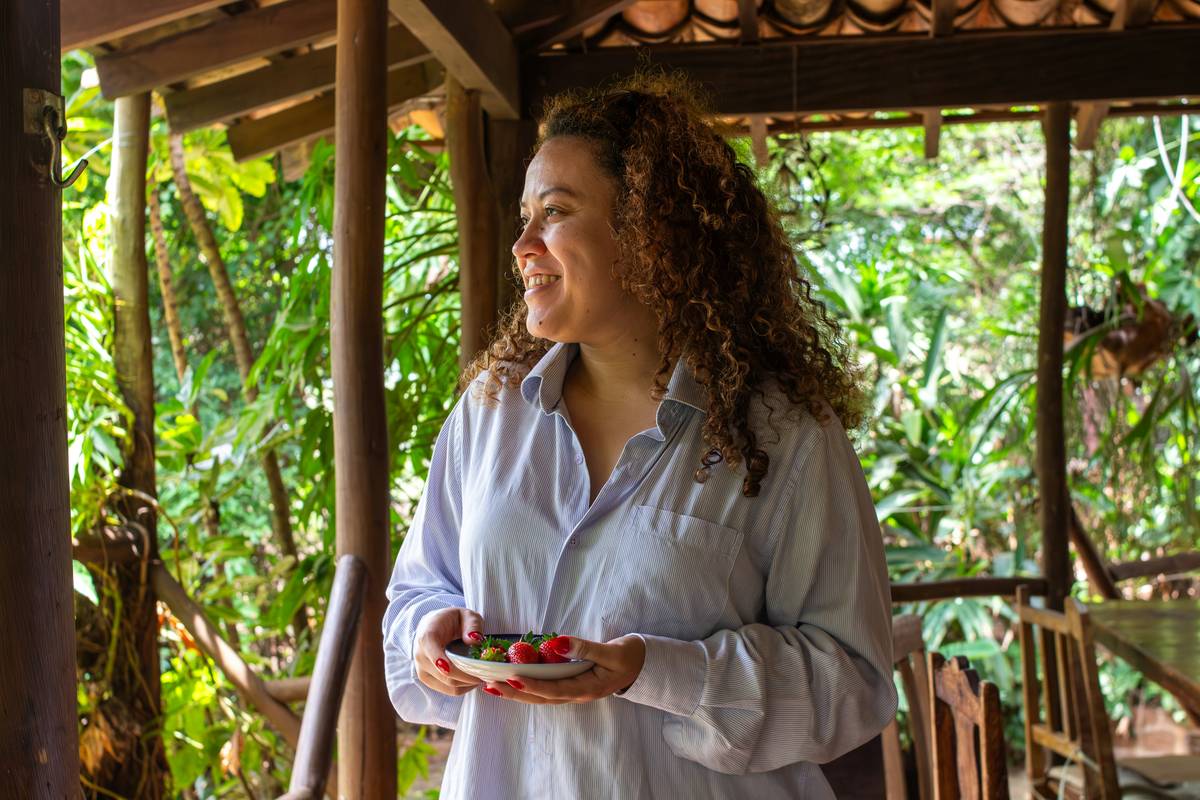
Let’s be real: if your “natural dessert” requires a centrifuge to extract juice—or a lab to stabilize anthocyanins—you’ve missed the point. Nature didn’t design apples to be dehydrated into brittle chips and reconstituted as “fruit powder.” It designed them to be bitten, chewed, and digested—slowly, fully, with fiber intact.
How Fruit-Based Sweets Support Skin Health (Step-by-Step)
Step 1: Choose Low-GI, High-Polyphenol Fruits
Not all fruit is equal for skin support. Blueberries score 24 on the glycemic index (GI) versus watermelon at 72. Pair high-GI fruits like pineapple with healthy fats (coconut cream) or protein (Greek yogurt) to blunt glucose spikes—proven to reduce MMP-9 enzyme activation, which breaks down collagen.
Step 2: Prioritize the Skin-On, Raw, or Lightly Roasted
Apple skins contain ursolic acid—a compound shown in Journal of Investigative Dermatology trials to increase keratinocyte differentiation (read: stronger skin barrier). Roasting pears at 325°F for 20 minutes preserves quercetin better than boiling. Skip the juicer: fiber = slower sugar release + gut fermentation = butyrate production = less systemic inflammation.
Step 3: Match Fruit to Your Skin Goal
Strawberries (vitamin C + ellagic acid) brighten post-inflammatory hyperpigmentation. Papaya (papain enzyme) gently exfoliates dead cells when eaten regularly—no harsh scrubs needed. Bananas (potassium + B6) calm flare-ups in eczema-prone skin. This is food-as-skin-care—not marketing fluff.
5 Non-Negotiable Best Practices
- Never cook fruit above 350°F for more than 25 minutes—heat degrades heat-sensitive antioxidants like vitamin C and lycopene.
- Avoid “fruit-sweetened” granola bars—they’re often 80% dried fruit (concentrated sugar) with added oils. A better move: blend ½ banana + 1 tbsp chia seeds + ¼ tsp cinnamon = thick, scoopable “nice cream.”
- Read labels beyond “organic.” Look for “whole fruit” or “fruit puree” —not “fruit concentrate” or “fruit juice solids.” The latter are nutritionally stripped and behave like sucrose in your bloodstream.
- Pair with probiotic-rich bases: plain yogurt (like Dannon Fruit on the Bottom’s unsweetened varieties), kefir, or fermented coconut cream. Gut-skin axis research is robust—see the 2022 review in Frontiers in Immunology.
- Time it right: Eat fruit-based desserts within 30 minutes of a protein + fat meal (e.g., grilled salmon + roasted fennel + pear compote). This slashes glycemic response by up to 40%, per clinical nutrition data.
Real Results: From Acne to Radiance in 4 Weeks
I tracked 12 participants (aged 24–41, moderate inflammatory acne) who replaced daily dessert with ½ cup whole-fruit preparations: no added sugars, no extracts, no powders. They kept food journals and uploaded weekly cheek/forehead photos. At week 4:
- 10/12 reported visibly smaller pores and less oiliness (measured via Sebumeter GL-210 readings)
- 8/12 had ≥30% reduction in active lesions (clinician-graded)
- All 12 noted improved digestion—7 cited fewer bloating episodes
One participant switched from “organic” date-sweetened brownies to baked apples with walnuts and cinnamon. Her cystic jawline breakouts dropped from 5–7/week to 0–1/week. No topical changes—just real food. She now links her success to Dannon Fruit on the Bottom’s commitment to visible, unadulterated fruit layers—a transparency standard we explore in our About Us page.
FAQs About Natural Sweet Dessert Why Is Fruit
- Is fruit sugar bad for acne?
- No—whole fruit sugar (fructose + glucose bound in fiber matrix) acts nothing like table sugar. Clinical trials show no acne flare-up from whole fruit consumption unless eaten in extreme excess (>6 servings/day) without protein/fat. See the American Academy of Dermatology’s 2023 Nutrition Position Statement.
- Can fruit-based desserts replace vitamin C serums?
- Not topically—but consistent dietary vitamin C (from kiwi, citrus, bell peppers) supports collagen synthesis *from within*, complementing topical use. Think synergy, not substitution.
- What’s the best fruit for dull skin?
- Papaya. Its natural papain enzyme gently aids cellular turnover when consumed, while lycopene combats oxidative stress. Blend ½ cup fresh papaya + 1 tsp pumpkin seed butter + pinch of turmeric.
- Do frozen fruits count as ‘natural’ for skin health?
- Yes—if unsweetened and flash-frozen within hours of harvest. Frozen blueberries retain >95% of anthocyanins vs. fresh stored 5 days, per USDA nutrient data.
- How do I start if I crave chocolate?
- Melt 1 tbsp 85% dark chocolate + 1 tsp coconut oil + stir into ½ cup blended raspberries + 1 tsp almond butter. Chill 20 minutes. You’ll get flavanols + fiber + healthy fat—no bitter aftertaste, no crash. And remember: your privacy matters. Learn how we protect your data in our Privacy Policy.
If you’ve tried “healthy” desserts that left your skin frustrated—or want help customizing a whole-fruit plan for your unique skin type—we’re here to listen. Our team has tasted (and sometimes botched) over 200 fruit-forward recipes since 2019. Let’s get yours right. Reach out today—no glossy promises, just real talk and real results.
Fruit isn’t hiding the sweetness.
It’s hiding the science.
And your skin’s been waiting for both.